

If you grew up in the Philippines during the ’80s, ’90s, or early 2000s, chances are your afternoons were filled with anime magic. Before streaming platforms and binge‑watching marathons, we had local TV stations bringing us the best of Japan — dubbed in Filipino, aired after school, and forever etched in our hearts.
Legendary Anime on Philippine TV: Childhood Classics Revisited
The Golden Age of Anime on Philippine TV
It all started with Voltes V, the mecha masterpiece that became more than just a cartoon. For many Filipinos, it symbolized resistance and unity. Despite being banned during the Marcos era, its return decades later was met with tears, cheers, and nostalgia. The cry of “Let’s Volt In!” still echoes in pop culture today.
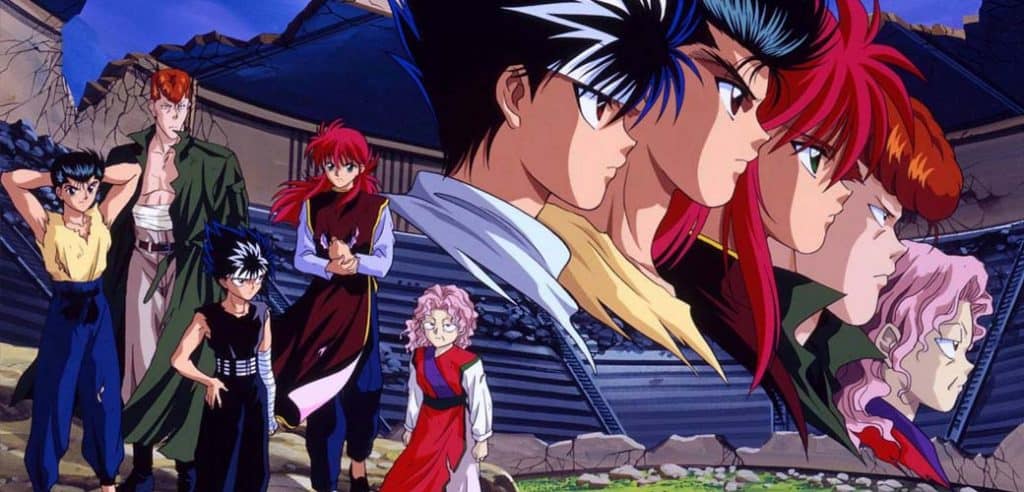
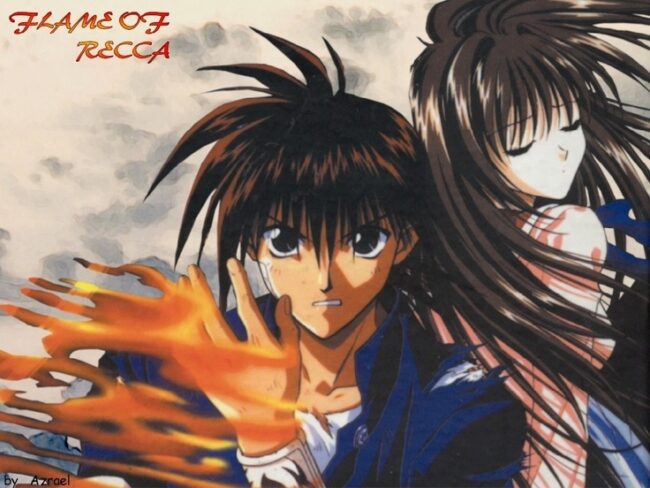

Then came the ’90s explosion — a lineup that turned anime into a national pastime. Dragon Ball Z, YuYu Hakusho, Flame of Recca, and Slam Dunk ruled the airwaves. Every kid wanted to shoot like Hanamichi Sakuragi, fight like Yusuke Urameshi, or power up like Goku. These shows weren’t just entertainment; they were life lessons disguised as battles.

And tucked beautifully into that era was Fushigi Yuugi, a fantasy romance that swept Filipino audiences off their feet. Miaka and Tamahome’s love story inside the mystical “Universe of the Four Gods” was pure emotional drama — the kind that made fans cry, laugh, and believe in destiny. It stood out as one of the few anime that blended romance, adventure, and heartbreak so perfectly that it became a staple of afternoon TV.
The Shōnen Era: Heroes, Rivalries, and Dreams
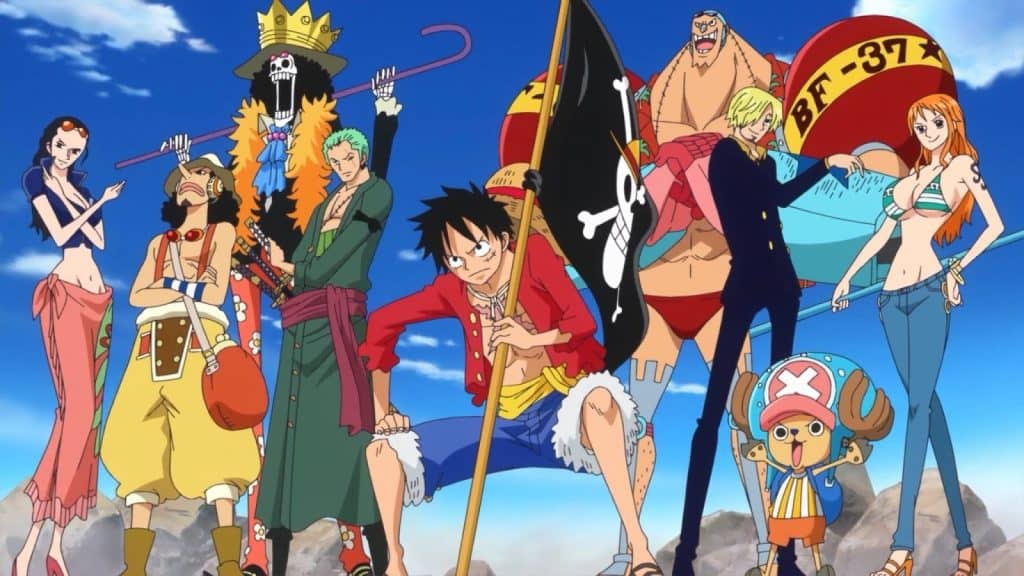
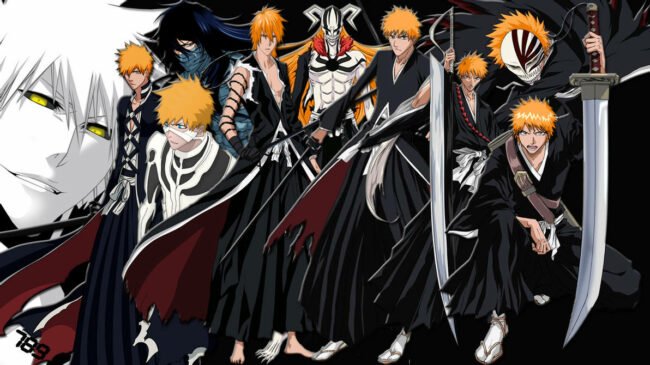
The early 2000s brought the Big Three: Naruto, Bleach, and One Piece. Filipino fans followed Naruto’s journey from underdog to Hokage, Ichigo’s battles as a Soul Reaper, and Luffy’s endless adventure for the One Piece treasure. These series taught us about perseverance, friendship, and chasing dreams — values that resonated deeply with Pinoy youth.

And let’s not forget Hunter x Hunter, a show that balanced adventure and emotion so perfectly that it became a cult favorite. Gon and Killua’s friendship mirrored the kind of loyalty Filipinos value most.
The Magical Girls Who Captured Hearts
While the boys were powering up, the girls were transforming. Sailor Moon, Cardcaptor Sakura, and Magic Knight Rayearth brought sparkle and empowerment to the screen. These heroines showed that courage and kindness could be just as powerful as fists and fireballs.


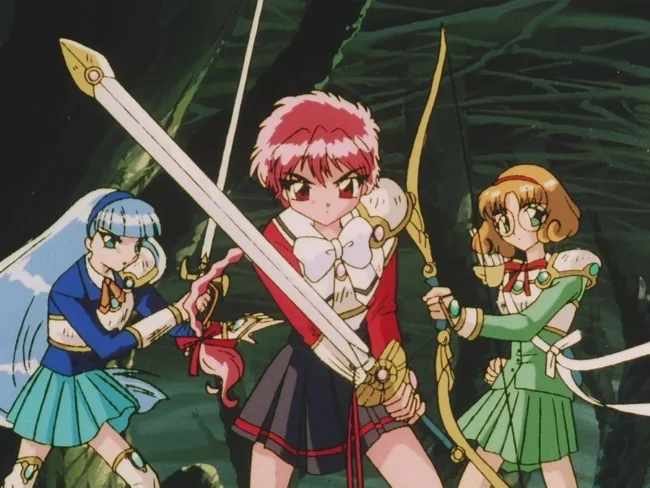
Their catchy theme songs, colorful transformations, and heartfelt stories made them unforgettable. Even today, “Moon Prism Power, Make Up!” and “Release!” are phrases that instantly trigger nostalgia.
Mystery, Adventure, and Style
Anime wasn’t all about battles and magic. Detective Conan and Lupin III added mystery and intrigue to the mix. Conan’s clever deductions and Lupin’s stylish heists gave Filipino viewers something different — a taste of suspense and sophistication.
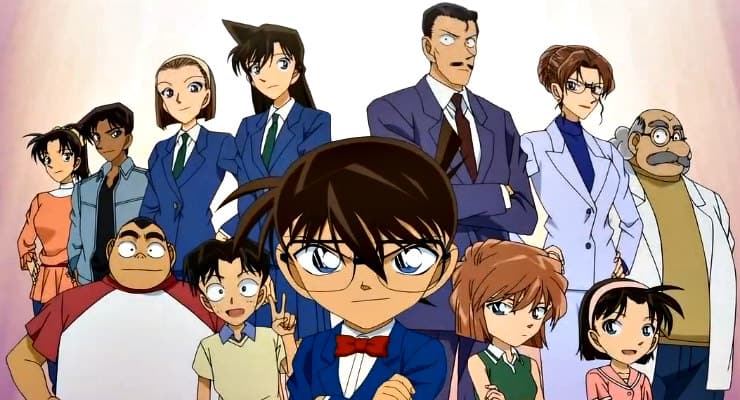

These shows proved that anime could be smart, funny, and thrilling, all at once.
Why These Shows Matter
What made these anime legendary wasn’t just their stories — it was how they connected with Filipino audiences. They aired during a time when families gathered around the TV, when kids traded stickers and cards, and when theme songs became playground anthems.
They shaped our imagination, our humor, and even our values. In a way, they became part of our national identity — proof that pop culture can unite generations.
The Legacy Lives On
Today, anime is everywhere — streaming, conventions, cosplay events — but nothing beats the feeling of watching those shows on free TV, Tagalog‑dubbed, with commercials in between.
Those afternoons were pure magic. And as we look back, we realize these legendary anime shows didn’t just glance the Philippine TV screen — they defined it.
Last Updated on October 4, 2026 by Yu Alexius
Leave a Reply
You must be logged in to post a comment.